
Full removal, never a cover-up
The old bead comes out completely — scraper, tool and solvent where needed. New silicone over old is why so many re-caulks fail in a year.
Re-caulking done properly
Caulk is cheap, and it protects everything expensive. Done properly, the old bead is removed fully, prepped dry, and sealed in one clean bead — not smeared over what was there.

Caulking & Sealing
A tub or shower re-seal is about an hour of work plus drying time. Several rooms fit one visit.
No travel fee in the fourteen towns we serve. If the job takes less time than quoted, you pay less.
What's included
The six things people book most, and what each one includes.
The old bead comes out completely — scraper, tool and solvent where needed. New silicone over old is why so many re-caulks fail in a year.
Behind old bathroom caulk there is usually some mildew. It gets treated and given time to dry before anything new goes on.
Sanitary silicone in wet areas, paintable acrylic where walls meet trim, polyurethane-grade outside. One tube does not fit all, so we carry the right ones.
A smooth, even bead pressed into the joint with a tool — so it seals the joint instead of just covering it.
Interior thresholds and floor transitions sealed where drafts and spills travel.
Door and window seals checked while we are there, replaced where they have gone flat.
What we don't do
If a job needs a licensed trade, a permit, or an engineer, we tell you on the phone and point you to the right person.
How it works
Tub, shower, kitchen, sills — photos of the worst joints are enough to quote.
One number for the visit, including the right sealants for each place.
The old out, the new in, and a note on how long before the shower is used again — usually overnight.
Photos and a written summary after every visit, for family who could not be there.
Before & after
The same room before and after the visit. Drag the handle to compare.
 After
Before
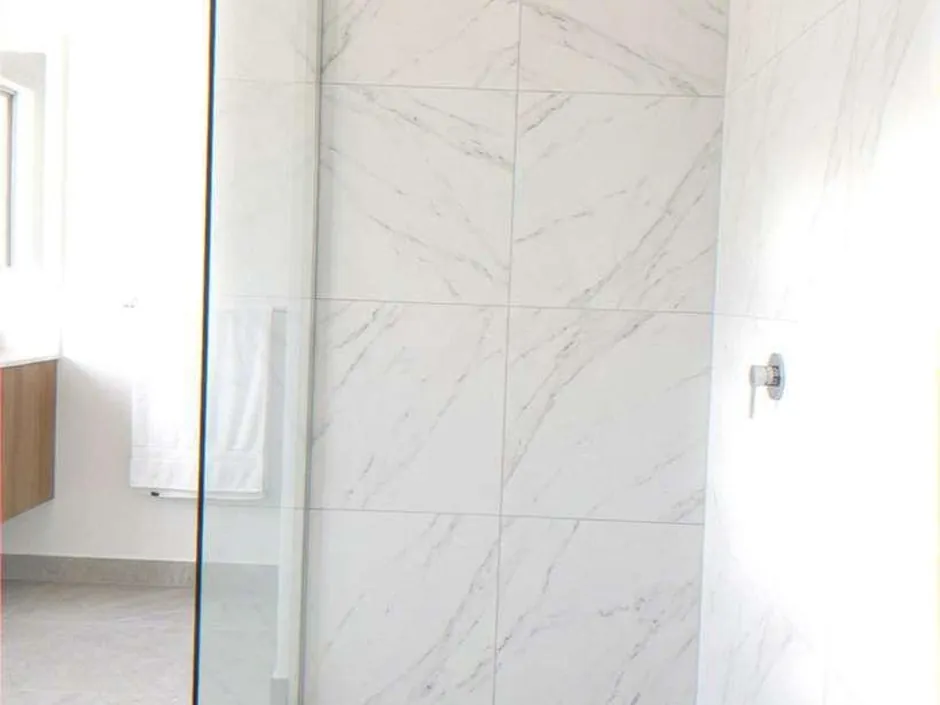
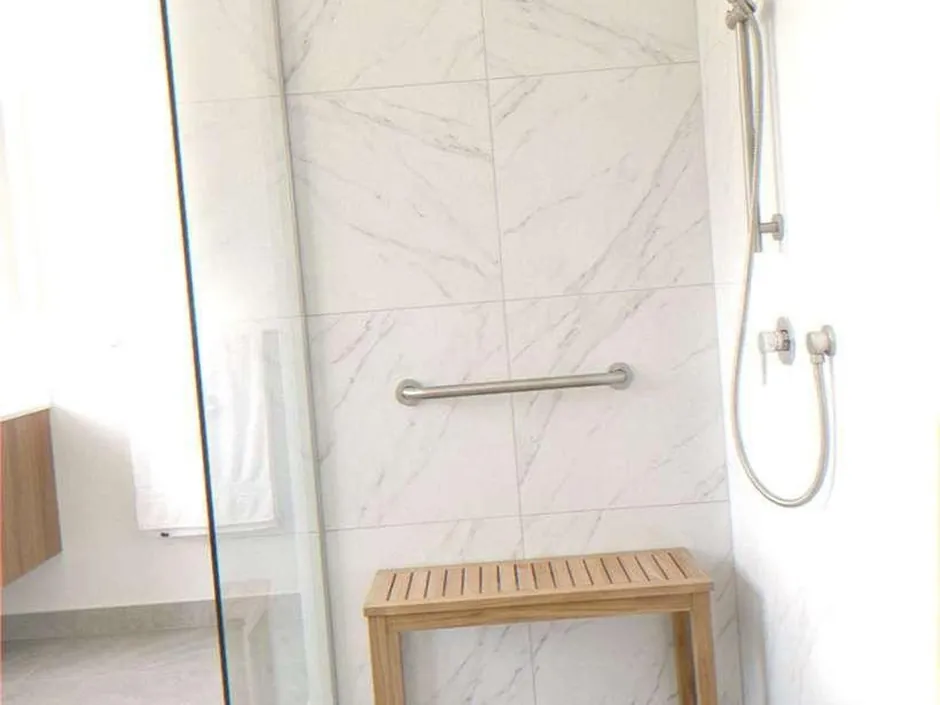
A cracked, moldy bead at the tub fully removed and re-done in sanitary silicone — one clean bead, dried overnight before use.
 After
Before
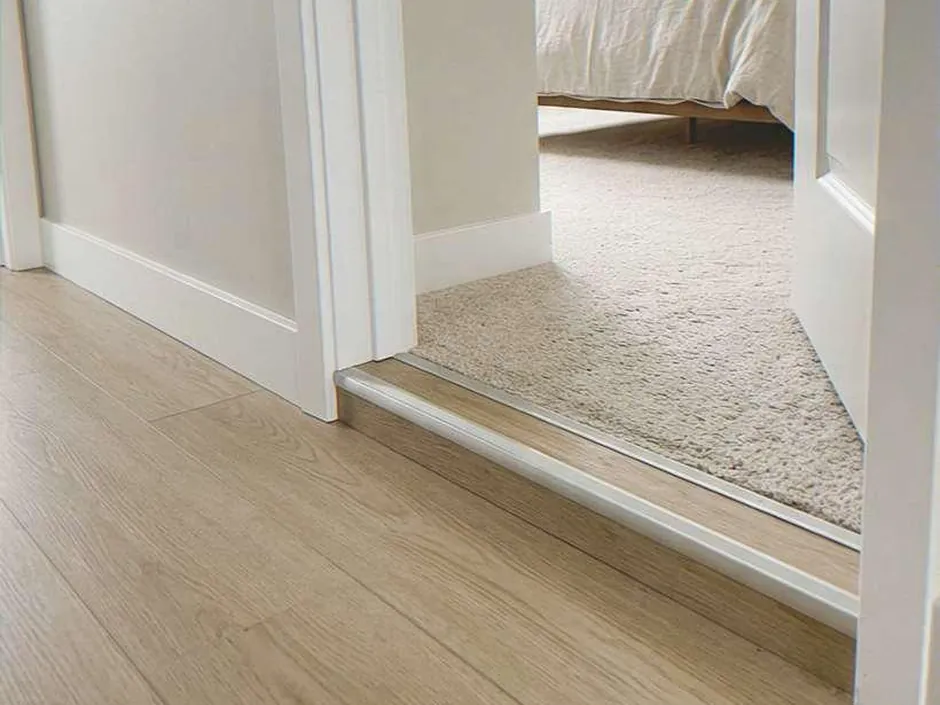
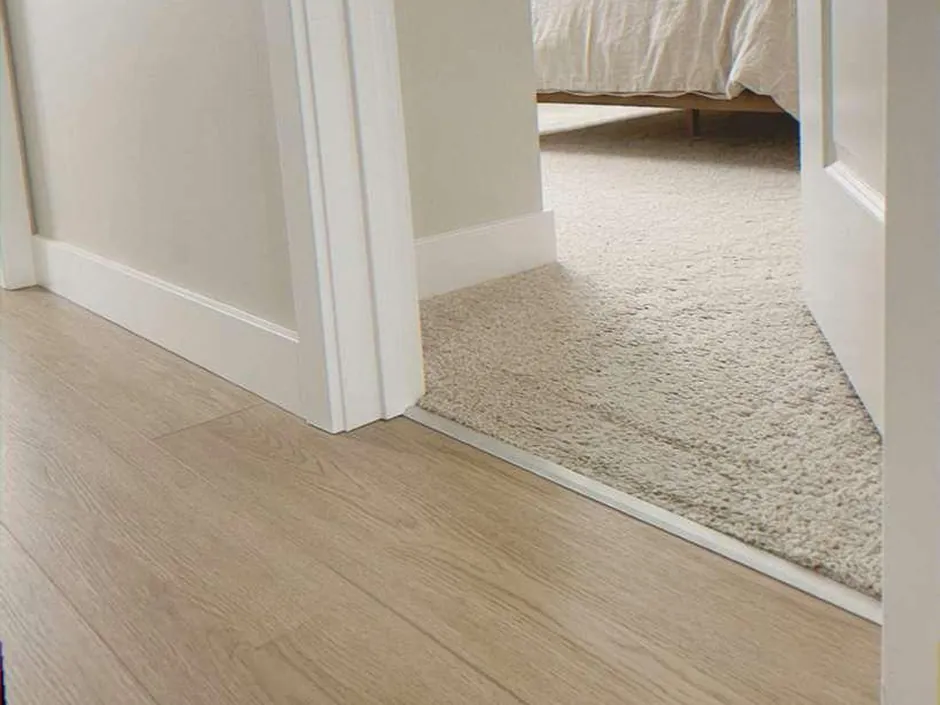
A proud, leaking threshold replaced flush and sealed at both sides during the same visit.
Local detail
Connecticut's freeze-thaw cycle is hard on exterior sealant: a joint that flexes all winter is shot by the third summer. Around Berlin and Newington we see failed sill sealant on houses only ten years old — builder-grade sealant is not made for our winters.
In the older bathrooms of Kensington and New Britain two-families, tile meets tub in a 1920s configuration that needs a deeper, careful bead — and often hides water damage from the decades before. We look before we seal and tell you what we found.
Spring is caulking season here. Booked after the last freeze but before summer humidity, the sealants cure properly and last their full life — a scheduling detail that matters more than the brand on the tube.
Every town page carries the housing stock, the roads and the timing for that place.
Licensed & insured in CT. The certificate goes out with a quote on request — useful when a family member is approving from out of state.
Before you book
Usually because the old bead was covered rather than removed, or the cheapest silicone was used in a wet area. Full removal plus sanitary-grade silicone solves most of it; a bathroom that never dries out needs a fan looked at too.
Standard silicone needs 12 to 24 hours. We tell you exactly when, and we would rather you wait the full time than undo the job.
White, clear, almond and bone cover almost everything here. We bring what matches your fixtures.
Sometimes one, sometimes the other. We look and tell you honestly — if the substructure has moved, sealant is a bandage and you deserve to know that.
Yes — failed perimeter sealant replaced with a weatherproof grade, which is one of the quietest heating-bill improvements an older house can get.
A tub or shower re-seal runs $120–$300. A whole-house sealing visit is a half-day at $350–$600, which is the best value if more than one room needs it.
Good silicone in a shower should last five to ten years; acrylic around trim lasts longer. If it is moldy or cracked within a year, it went over old sealant or was the wrong type — which is why we remove the old bead completely.
Often booked together
Call or text us what you need — plain words or a photo. You get a flat price the same day.